A Digital Marketing Guide for Luxury Brands
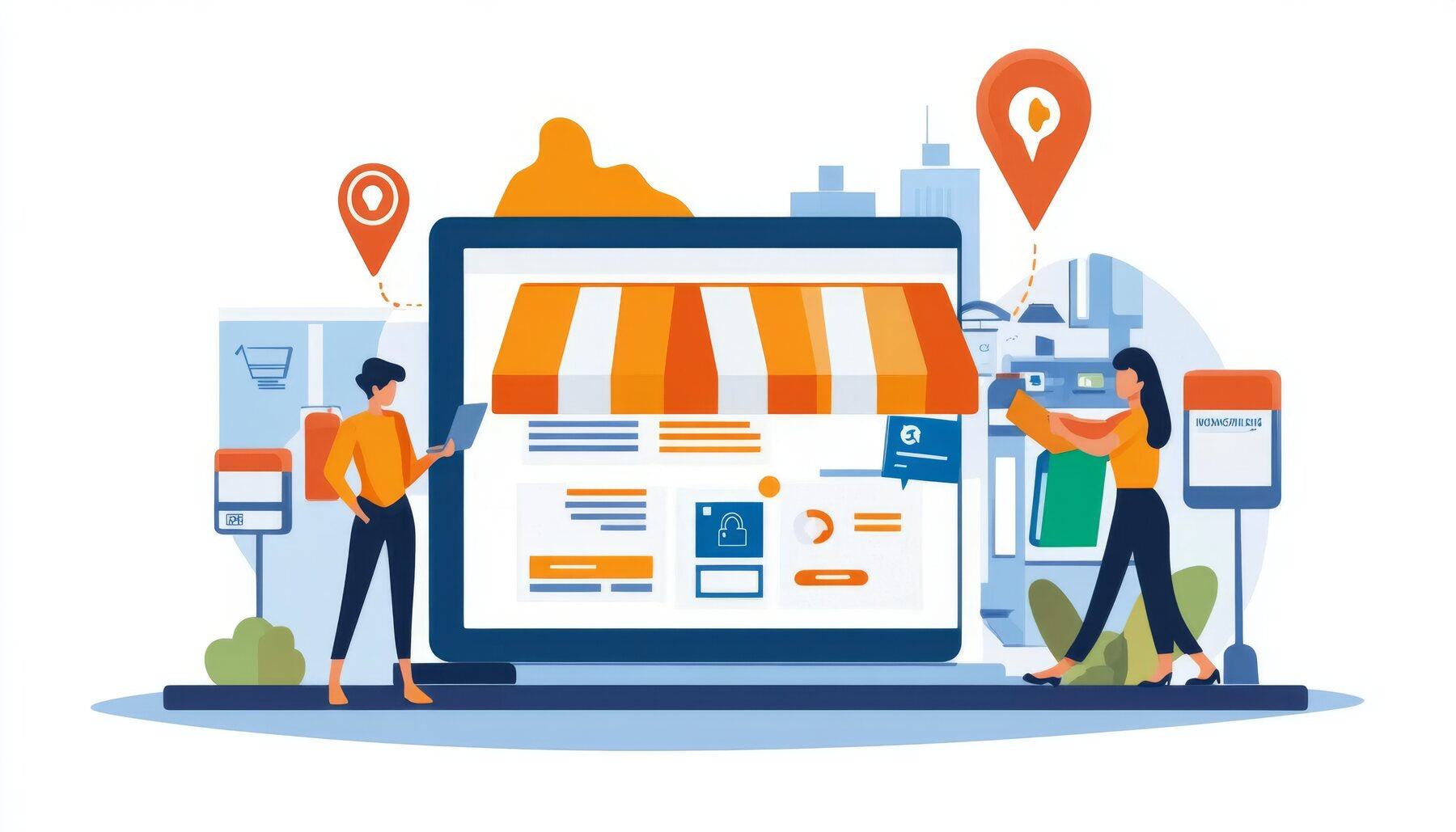
Digital marketing for a luxury brand is not the same discipline practiced everywhere else, only more expensive. It is a different craft. The goal is not to maximize volume but to protect prestige while reaching the few buyers who matter. Every tactic must answer to the brand before it answers to the metrics. This guide walks through the pieces that matter most, from the website and paid media to SEO, email, content, social, and analytics, and, just as importantly, how they fit together into a single coherent strategy.
The stakes are considerable. The latest Bain & Company and Altagamma study put 2025 global luxury spending at roughly €1.44 trillion, but it also found a shrinking, more selective consumer base. That combination is the whole challenge in miniature: the market is enormous, but the right buyers are fewer and more discerning than ever, which means they are worth pursuing with precision rather than scale.
Start With Strategy, Not Tactics
Before any single channel, there must be a strategy, a clear articulation of what the brand stands for, who the ideal buyer is, and how the brand wants to be perceived at every touchpoint. Without that foundation, channels pull in different directions: the paid team chases cheap conversions while the brand team builds prestige, and the buyer feels the incoherence. The most effective luxury programs begin by aligning every channel to the same positioning and the same story, so that a buyer encounters one consistent brand whether they arrive through search, social, or an email. This is the work of genuine marketing strategy and consulting, and it is what separates a collection of tactics from a system.
The Website Is the Flagship
Begin with the website, because everything else points to it. For a luxury brand, the site is the digital flagship, and it should feel like one, considered, fast, and quietly confident. Whether built on Shopify or another platform, it must load quickly; Shopify's own analysis found that even a half-second improvement in site speed can raise conversion rates. It should present your craftsmanship with clarity and make it effortless for a serious buyer to take the next step, whether that is a purchase, an appointment, or an inquiry.
Resist the urge to crowd it. Restraint reads as confidence. Photography should do much of the selling; trust signals such as certifications, return policies, secure checkout, and genuine reviews should appear at every step; and the mobile experience must be as refined as the desktop one, since so much luxury discovery now begins on a phone. The website should answer the questions a discerning buyer actually has and remove every needless obstacle between curiosity and contact. When the platform itself is the limitation, the right move is purpose-built website and Shopify development rather than incremental fixes.
SEO as a Long-Term Asset
Search engine optimization is the patient counterpart to paid media. Because luxury buyers research for weeks, you want to be present throughout their investigation, not only when you are paying for placement. Earn that presence with substantive content, sound technical foundations, and the authority that comes from being a genuine expert in your field. Google's own SEO Starter Guide makes the point plainly, advising that you create helpful, reliable, people-first content rather than writing for search engines.
SEO compounds. The work you do this year keeps returning buyers next year, which makes it one of the most valuable investments a luxury brand can make. For the full discipline, the technical, keyword, content, and authority layers that make luxury search work, see our guide to SEO for luxury brands. And if you are weighing whether to build this capability in-house or bring in a specialist, our guide on how to choose a luxury SEO agency lays out exactly what to look for.
Paid Media With a Steady Hand
Paid search and PPC are powerful for reaching buyers at the moment of genuine intent, but at the high end they require judgment. Structure campaigns around real buying signals, protect your brand from competitors bidding on your name, and refuse the cheap, broad traffic that automated systems are eager to chase. Measure success by qualified inquiries and real sales, never by clicks alone. Paid media should bring you the right person at the right moment, not the most people at the lowest cost. Done with discipline, our Google Ads and PPC management delivers exactly that kind of precision.
Paid Social and Content: Building Desire
Where paid search captures existing intent, paid social and content create desire. Instagram, Meta, and Pinterest are where aspiration is shaped, and luxury is among the most visual categories in existence. Upper-funnel storytelling creative, the provenance of a piece, the craftsmanship behind it, the world the brand invites a buyer into, keeps the brand present and desirable throughout a long consideration cycle, without the discount messaging that erodes perception. Our paid social approach is built to do this with the taste the category demands.
Content underpins all of it. Editorial articles, guides, and brand stories build the authority that SEO rewards, give social something worth sharing, and give buyers reasons to trust you at every stage. Storytelling is the one competitive advantage that cannot be copied or discounted, the reason a buyer chooses you when cheaper alternatives exist.
Email, the Quiet Workhorse
Email remains the most direct and dignified line to your clients, and you own it outright. Used well, it nurtures relationships, announces with discretion, and keeps your brand present between purchases. Used poorly, it nags. The difference is respect for the recipient. Send less, say more, and treat each message as a continuation of the relationship rather than an interruption of it. In luxury, where customer lifetime value is so high, a thoughtful email and CRM program, clienteling at scale, is often the highest-return channel of all.
Analytics That Tell the Truth
None of this works without honest measurement. Analytics should reveal how your buyers actually behave, the long consideration paths, the assisted conversions, the channels that begin journeys and the ones that close them. Resist vanity metrics that flatter without informing. Because the luxury journey is long and multi-touch, last-click attribution systematically undervalues the upper-funnel work that makes everything else possible. The right analytics and reporting tell you where genuine value comes from so you can invest with conviction rather than guesswork.
Above All, Protect the Prestige
The thread running through every channel is the protection of brand prestige. A luxury brand can spend its way into ubiquity and lose the scarcity that made it desirable. Every decision, from the placement of an ad to the tone of an email, should ask whether it elevates the brand or merely chases a number. The most successful houses are disciplined about saying no, because in luxury, what you decline matters as much as what you pursue. If you want a practical view of how to grow without cheapening the brand, see how to market a luxury brand online.
Brought together, these pieces form a coherent strategy: a clear positioning, a flagship website, patient SEO, intent-driven paid media, desire-building social and content, respectful email, honest analytics, and an unwavering commitment to prestige. None is a silver bullet. Together they build a digital presence worthy of the brand it represents, one where every channel reinforces the others rather than competing with them.
At Luxury Brand Marketing, we have helped prestigious brands grow online for nearly three decades, with deep expertise across search, web, paid media, and strategy, and particular depth in fine jewelry and Swiss watches. We are a luxury specialist and strategic partner rather than a do-everything shop, executing where we are genuinely expert and advising candidly where your own team and operations should lead. If you would like a strategy that grows your business without diminishing your brand, contact us or call (909) 333-6081. We would be honored to help. Where Prestige Meets Performance.

Let's talk
Tell us about your luxury brand and we'll build a strategy around your goals.
Explore a Partnership →